
Strengths
- The best-performing precious metal for the past week was gold, but still down slightly by 1.12%. Gold weakened after robust U.S. labor market data strengthened the dollar and Treasury yields. However, the yellow metal remains resilient compared to other precious metals, while structural demand from central banks and improving ETF flows continues to provide longer-term support.
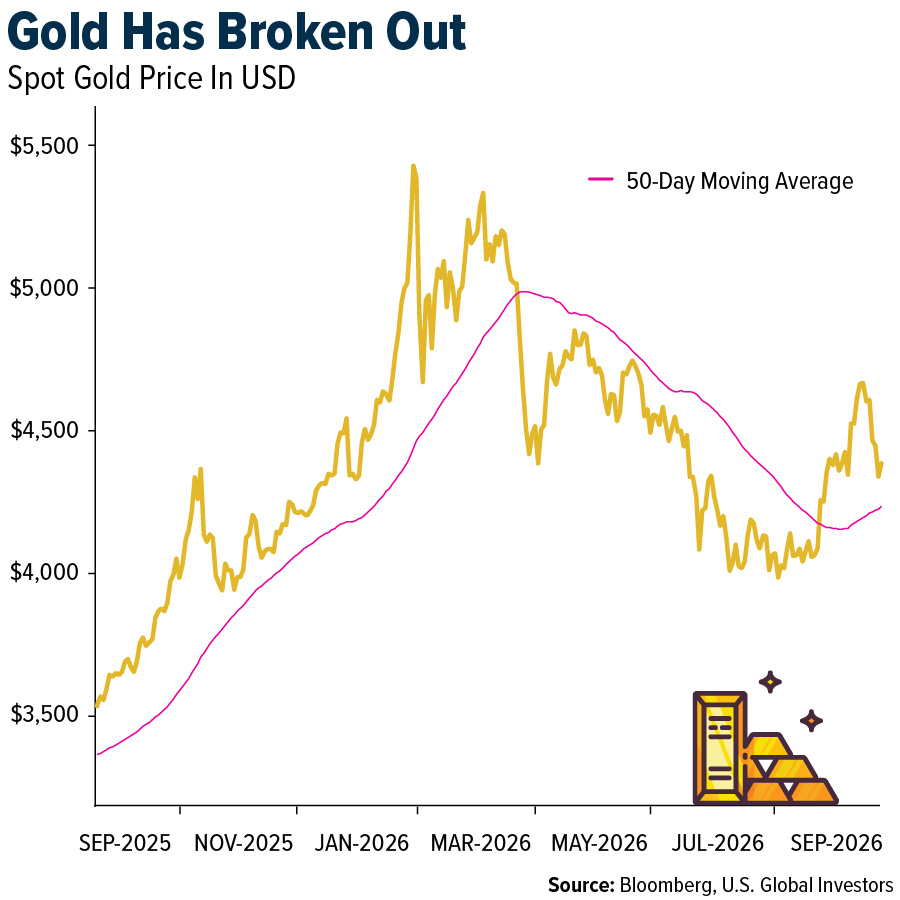
- Central banks continue to diversify reserves into gold. Uruguay added physical gold to its reserves for the first time in roughly three decades, while Bolivia continued accumulating domestically produced gold, highlighting ongoing interest in gold among Latin American central banks
- Some of the world’s largest asset managers have been rebuilding gold positions following the metal’s pullback earlier this year, citing its attractiveness as a portfolio hedge and confidence in the long-term outlook. Bloomberg reported that firms managing a combined $27 trillion in assets have largely maintained or increased their gold exposure despite ongoing uncertainty around the Federal Reserve’s policy path.
Weaknesses
- The worst-performing precious metal for the past week was palladium, down 2.58%. Investor sentiment toward palladium remains weak, with ETF holdings continuing to decline and year-to-date holdings down more than 10%. The sustained outflows suggest limited investor conviction relative to other precious metals.
- Global bond yields climbed to their highest levels since 2008, while the U.S. dollar strengthened, creating headwinds for gold. Higher yields increase the opportunity cost of holding non-yielding assets, potentially limiting investor demand for bullion.
- Silver, platinum, and palladium ETF holdings continue to decline year-to-date, highlighting weaker investor participation across the broader precious-metals sector. Sustained outflows could weigh on sentiment toward the sector despite gold’s relative resilience.
Opportunities
- AI-related technologies are emerging as a new source of demand for platinum group metals, including platinum, ruthenium and iridium. According to Metals Focus, this trend could become increasingly important as hydrogen-related demand remains relatively limited, with electrolysers expected to account for only about 45,000 ounces of platinum consumption in 2026.
- Ned Davis Research’s “Debasement Trade Index” warns that a negative feedback loop could develop as foreign buyers step back from Treasuries, increasing financial repression and driving investors toward real assets such as gold. This shift could provide additional support for gold prices.
- According to BMO, Mexico’s Ministry of Environment and Natural Resources (Semarnat) has authorized 150 mining permits, according to Fernando Aboitiz, head of the Ministry of Economy’s Extractive Activities Coordination Unit, who spoke at Mexico’s Mining Forum yesterday. Aboitiz said Semarnat is 85% through its permit backlog, while the National Water Commission is around 50% complete and the Ministry of Economy has cleared approximately 95% of permits. Mexico’s Sheinbaum administration inherited a large backlog of permit applications built up during the AMLO presidency (2018–2024), when there was effectively a moratorium on new concessions.
Threats
- Investor conviction remains a risk. Despite strong central bank demand and continued reserve accumulation, gold has not consistently responded to supportive economic signals. This could limit upside momentum if market participants begin to question the strength of traditional bullish drivers.
- Indian Prime Minister Narendra Modi has renewed calls for citizens to avoid non-essential gold purchases as the country seeks to curb import-driven pressure on its trade balance and currency. However, given gold’s longstanding role in household savings and cultural traditions, it remains uncertain how much these appeals will reduce demand.
- Although recent comments from Fed Governor Christopher Waller tempered expectations for a September rate hike, traders have since increased the perceived likelihood of additional policy tightening. The shift in rate expectations has pressured gold, though the metal continues to show relative strength compared with other precious metals.
About the author
