
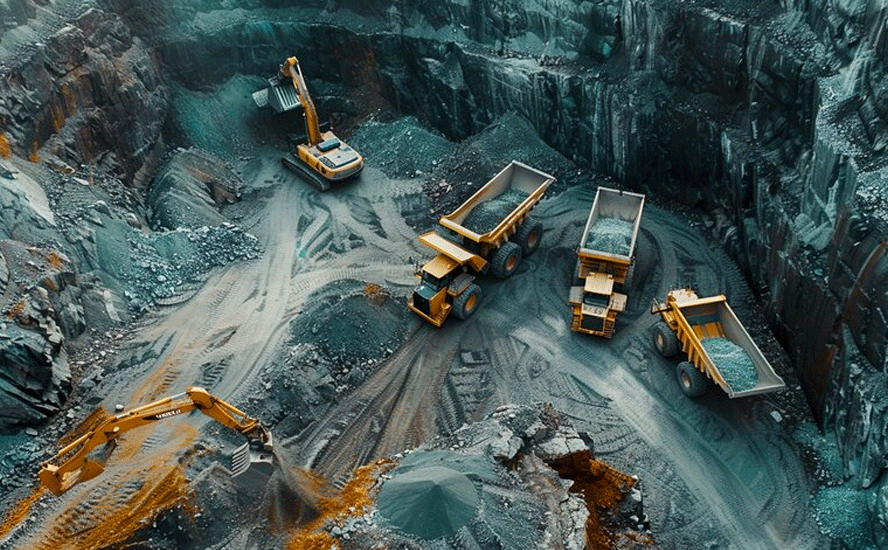
Large copper, gold, and silver deposits that have favorable grades and are in locations amenable to mine development are being targeted in British Columbia.
There are at least ten major or mid-tier mining companies operating within a Late Triassic-Alkaline Cu-Au Porphyry Belt, including Taseko (Gibraltar mine), Boliden (Gjoll project), Anglo Teck (Highland Valley mine), Hudbay Minerals (Copper Mountain mine), Newmont/ Imperial Metals, (Mount Polley mine), Coeur Mining (New Afton mine), KGHM (Ajax project), Centerra Gold (Mount Milligan) and Glencore’s shuttered Brenda mine.
The Highland Valley copper mine is Canada’s largest copper mine; of the 39 copper mines in Canada, 4 of the top 5 are in BC. The following are the four largest copper mines by production in Canada in 2023, according to GlobalData’s mining database
#1 Highland Valley, BC
#2 Gibraltar Mine BC
#3 Copper Mountain Mine BC
#4 Mount Milligan BC
Where they’re located is within the copper-producing belt of Canada and British Columbia – the southern Quesnel Trough (SQT).
This is where most of the major miners in BC are concentrating their activities. Why? Well, there is infrastructure accessibility and it’s not just highways, there’s also power lines, railroads, a trained work force able to commute from home in some instances, easy to access and very close supply depots, assay labs, survey company HQ’s close – the SQT is only a two-and-a-half-hour drive from Vancouver, which is also Canada’s largest port on the west coast.
So, this is an area where they are looking for, and finding, additional assets – existing assets for mine building, significant new discovery assets which could stand on their own, and/or supply additional years of mill feed for existing mines.
When I look at these porphyries, one of the big reasons I like them is because they’re so massive and scalable; they can severely impact a major miner’s bottom line to the upside.
Very few deposits have the ability to scale up to such a massive yearly output, which will affect the bottom line of the largest mining companies in the world. Porphyries can do that.
But I’ll let you in on a little secret; the real reason I like copper-gold porphyries is that the gold gives a copper explorer/ miner a chance to get in on a couple of million ounces of gold and a gold explorer/ miner a chance to get in on a couple of billion pounds of copper.
In yesteryears, if it wasn’t a 5-million-ounce gold deposit, a major gold miner didn’t even want to look at it. But times certainly have changed with an overall scarcity of those size deposits being found.
The fact that your average size of a gold deposit has gone from well over 7 million ounces down to just a little over 4 now, combined with the scarcity of them is causing an awful lot of interest in these porphyries because of the gold content.
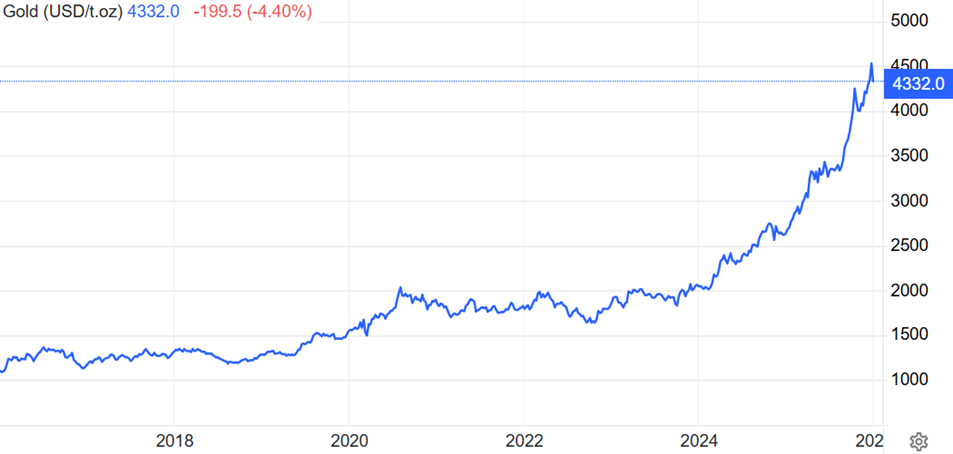
And that was starting well before gold was sitting at $4500 an ounce. And now the pitch is starting to get feverish in a lot of these gold players looking for their next big gold project. They would consider some of these porphyries as a gold play with a copper by-product.
You know, when you start looking at upwards of $120 to $140.00 a tonne, and US dollars at that for Canadian producers, just from the gold, it really opens your eyes wide if you’re a Barrick, doesn’t it?
Many have thought for a long time that BC alkalic copper-gold porphyries are as much a gold deposit as they are a copper deposit. You look towards something like New Afton, it’s 2 billion pounds of copper, 2 million ounces of gold, something like Ajax, it’s 3 billion pounds of copper, 3 million ounces of gold.
So, if you were to find a 2Moz gold deposit these days, you’re going to get plenty of market excitement and maybe miner interest, but a 3 or 4Moz deposit and be able to add in a couple of billion pounds of copper?
I think that really turns the tables on the prospectivity and the attractiveness of these types of systems.
And you see it with a lot of the major miners, companies like Barrick doing name changes, Coeur buying New Gold in a $7B deal, Anglo buying Teck, and Newmont buying Newcrest’s 50% of Red Chris.
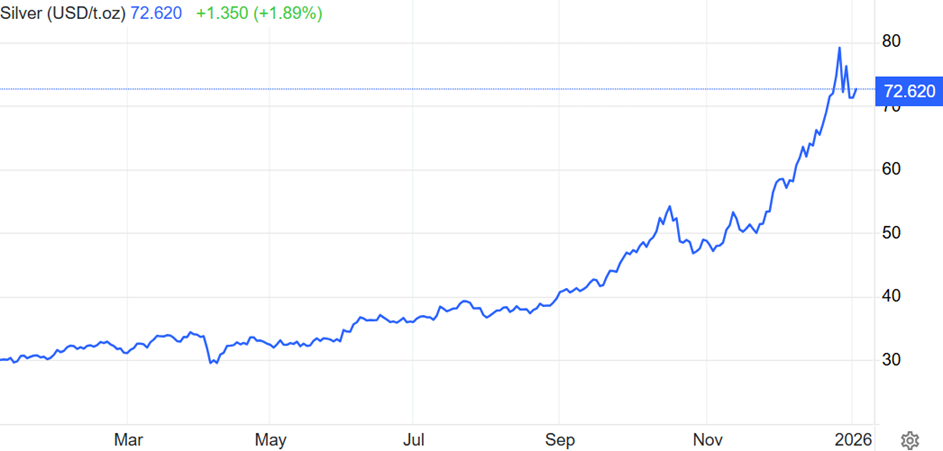
And we should also consider that many of British Columbia’s current and prospective copper/ gold porphyry mines have 3 very popular metals for retail investors as well. Copper, gold, and silver — two of which, copper and silver, have been declared critical minerals
The most common types of deposits containing these metals are porphyry copper-gold deposits, iron oxide copper-gold (IOCG) deposits, VMS deposits, skarn deposits, and epithermal vein deposits.
The big one, though, is copper-gold porphyries, which often feature distal silver mineralization as part of a large-scale, zoned magmatic-hydrothermal system.
In Canada, British Columbia enjoys the lion’s share of porphyry copper-gold mineralization. These deposits contain the largest resources of copper, significant molybdenum, and 50% of the gold in the province.
But British Columbia also hosts numerous porphyry deposits containing silver, often alongside copper, gold, and molybdenum, with key examples including Schaft Creek, Kemess, Galore Creek, Mt. Milligan, and the newly drilled AuRORA/JOY area (Amarc), where mineralization can transition from epithermal (high silver) to deeper porphyry systems, as seen at the Hank/HWY-37 project (Kingfisher Metals TSX.V:KFR).
Major districts like the Skeena Arch and Golden Triangle are also known for these mixed systems, with companies actively exploring for more, highlighting significant silver potential in BC’s Cordillera — the vast mountain system covering most of British Columbia. I’ll talk on the Skeena Arch and GT in later articles.
Conclusion
The wave of M&A currently sweeping across miners will trickle down the food chain and eventually reach BC focused juniors.
Two very recent M&A examples in the Southern Quesnel Trough are:
- A merger between London-listed mining company Anglo American and Canadian miner Teck Resources forms a new global critical minerals company named Anglo Teck. The all-share deal is valued at approximately US$53 billion. The deal combines major copper mines like Teck’s BC Highland Valley Copper (HVC) and Anglo’s Chilean assets, creating a top-tier global copper producer with long-life, low-cost mines.
- End-of-year M&A also included the acquisition by Coeur Mining of New Gold, which owns the New Afton copper-gold mine in southern British Columbia and the Rainy River gold-silver mine in Ontario. One source said the combined company will have seven operations, which Coeur Mining expects will produce 20 million ounces of silver, 900,000 ounces of gold, and 100 million pounds of copper.
In my opinion, it’s just a matter of time until the last few miners left standing (after the ongoing M&A frenzy) realize they’ve locked up the last of the world’s mining reserves amongst themselves and metal prices have finally reached, surpassed, and held incentive pricing for long enough.
When they do, it’s going to be a mad scramble to lock up as many junior mining company resources as they can. And, in a hopefully considerably shortened timeline amongst all the chaos caused by shortages (because mined supply has not met yearly demand for years), they have to also build mines.
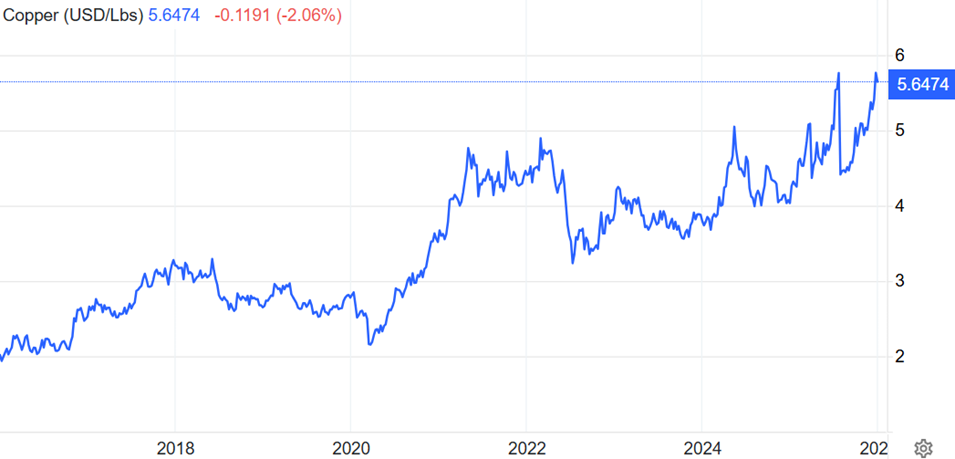
The incentive price for copper is the minimum market price needed for mining companies to justify investing in new, large-scale mining projects or to expand existing production significantly. It represents the cost threshold required for a project to be economically viable, ensuring a specific return on investment.
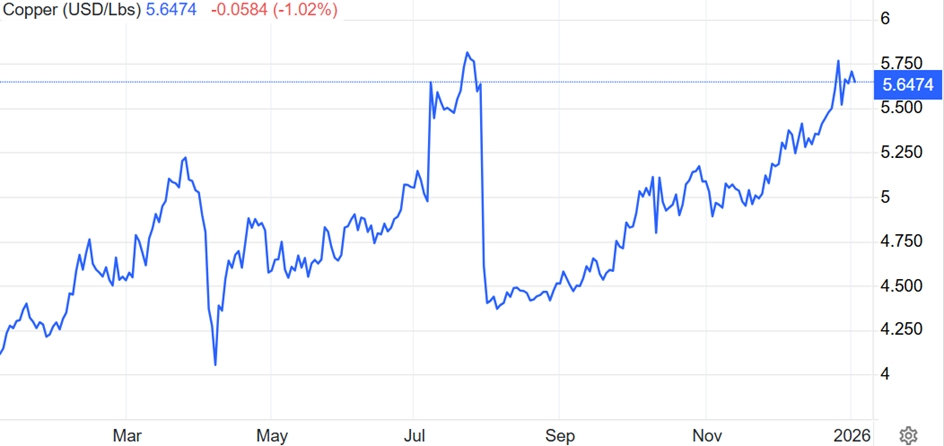
Many analysts place the current incentive price for new copper projects as ranging from $11,000/ton ($5.50/lb) up to $13,000/ton ($6.50/lb).
Major miners still, occasionally, make discoveries, but usually it’s in partnership with juniors. Juniors almost always find the early-stage, high-potential targets.
By doing so, they fulfill their role of high-risk exploration. With their bottom-level, upstream role in the mining food chain, they find the projects that majors then advance. Senior exploration budgets can then be more properly focused on their area of expertise, development.
It’s the juniors who currently own, and will find more of, the world’s future mining reserves; therefore, our conclusion has to be that junior mining companies currently own the world’s future mines.
Richard (Rick) Mills
aheadoftheherd.com
About the author

Richard (Rick) Mills

Legal Notice / Disclaimer
Ahead of the Herd newsletter, aheadoftheherd.com, hereafter known as AOTH.
Please read the entire Disclaimer carefully before you use this website or read the newsletter. If you do not agree to all the AOTH/Richard Mills Disclaimer, do not access/read this website/newsletter/article, or any of its pages. By reading/using this AOTH/Richard Mills website/newsletter/article, and whether or not you actually read this Disclaimer, you are deemed to have accepted it.
Any AOTH/Richard Mills document is not, and should not be, construed as an offer to sell or the solicitation of an offer to purchase or subscribe for any investment.